
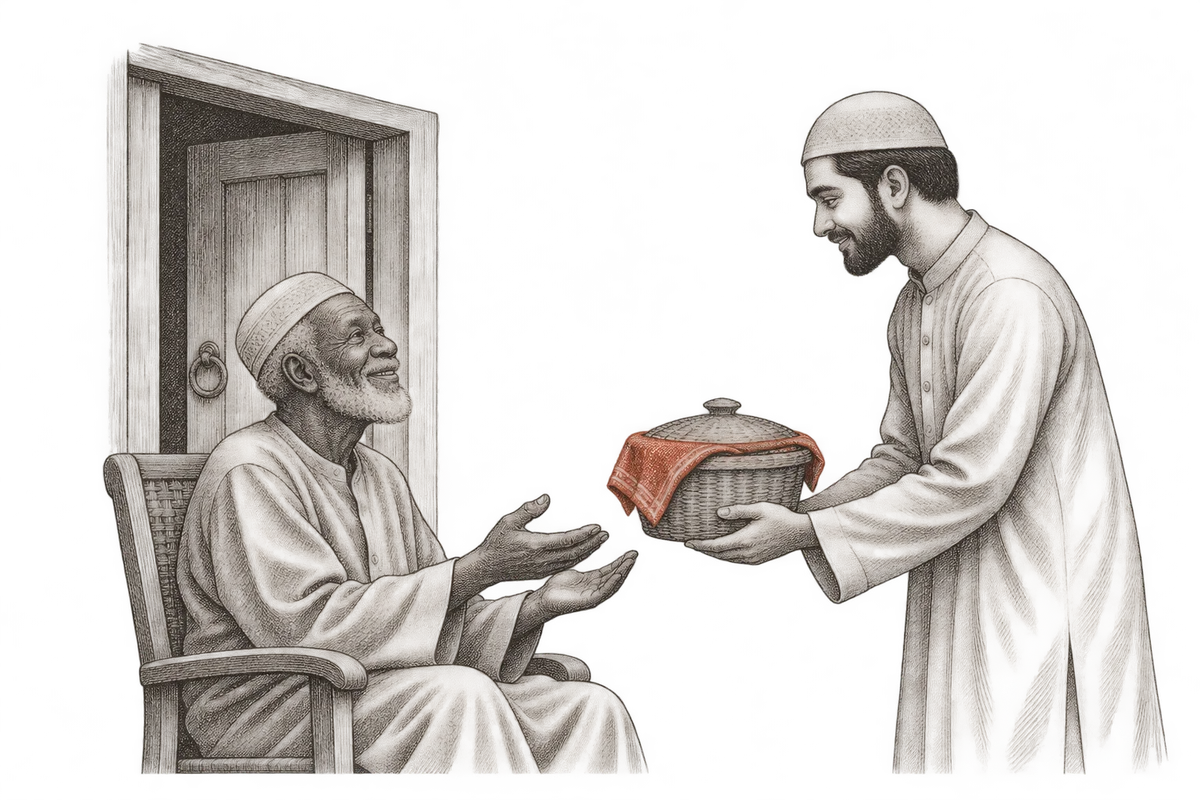
Ask about their day, not your idea of it
A person may welcome company, prefer privacy, or want help with one specific errand. Ask rather than assuming that every evening feels lonely or that family is available nearby.
More guidance & words you can use
Give a concrete example of what you can offer: a walk at an agreed time, help collecting groceries, or company while they work through a practical task. Leave room for a different answer.
Agree on contact instead of creating an obligation
If you both want regular contact, agree on the kind of contact and a time that works. A short message may suit one person better than an unexpected call. Be honest about when you are available.
Read the rest of this guidance
Do not describe an informal arrangement as monitoring, emergency cover or a professional service. If someone wants help with urgent or health-related concerns, support them in reaching the appropriate local service rather than promising availability you cannot provide.
Offer company for a practical task
Some tasks are easier with another person beside you: reading public guidance, writing questions for a call, or finding the right page. Offer to work through one thing together, at the person’s pace.
Read the rest of this guidance
Let them keep control of their documents, device and decisions. They do not need to reveal passwords, private finances or medical information to accept ordinary help. Ask before writing down or passing on any personal details.
Help make the circle clearer, if they want that
Ask whether there are friends, relatives or community contacts they would like to include. A support circle can look different for everyone; do not assume it must be a household or a family group.
Read the rest of this guidance
With permission, help them identify whom they would approach for different needs. A name on a list is not a commitment from that person. Confirm arrangements directly and keep the information somewhere private.
Keep preparation separate from pressure
If the person wants to prepare ahead, you can offer to sit with them while they read the wishes worksheet or find an existing document. Let them choose the timing and the amount they want to do.
Read the rest of this guidance
The existing guide for people without Muslim family nearby covers more specific preparation. For grief support, use the established resource page and its stated country limits. This page offers practical companionship ideas, not an assessment of someone’s wellbeing.
An invitation is not general access
Agree whether to knock, call or leave an item with an agreed person. Do not enter a home, use a spare key, move possessions or invite someone else along without specific permission. Keep access details out of these browser notes.
Read the rest of this guidance
An unanswered message does not itself authorize entry or sharing a person’s location. Discuss ordinary contact preferences in advance. Urgent safety concerns should go through appropriate local services, not an informal promise of round-the-clock monitoring.

Begin with a considerate invitation
Use the short example above to offer company or help, leaving room for the person’s own preferences.
Return to the example invitationThese practical suggestions are here to help you find words and offer care. For religious questions, follow the sourced guidance linked below and speak with someone qualified whom you trust.